

You signed up to run a business—not monitor website risks.
Small and mid-size business websites don’t really get to “opt out” of risk anymore. And honestly… most business owners didn’t sign up thinking about security threats, privacy laws, or accessibility standards in the first place. They signed up to run a business.
But here we are.
Because whether your website is a simple service page or a full e-commerce store, it’s doing more than just sitting online—it’s handling customer info, first impressions, and sometimes actual transactions. And that makes it valuable. Which also makes it a target.
Not to scare you. Just to make it clear what’s actually going on behind the scenes.
So at Layerly, we focus on keeping websites both functional and protected—without turning it into a full-time second job.
Let’s break down why compliance matters and what it really means for small to mid-size businesses.
The truth nobody loves hearing: smaller sites get attention too
There’s a common assumption that hackers only go after big corporations with huge systems and bank-level security.
That’s… not really how it works.
Small and mid-size businesses are often more attractive targets because they usually don’t have dedicated IT teams watching things 24/7.
And that’s the gap.
Big companies have entire departments monitoring security, patching issues, and dealing with threats as they show up. Most smaller businesses? They’re juggling customers, marketing, operations—and hoping the website behaves.
E-commerce sites raise the stakes even more. If you’re collecting payments, storing customer details, or managing orders, there’s simply more on the line.
So the goal isn’t to panic—it’s to acknowledge reality and build smarter protection around it.
Compliance isn’t just “legal stuff” you scroll past
Website compliance gets misunderstood a lot.
People hear it and think: privacy policy page nobody reads, cookie banner everyone clicks “accept” on, and a bunch of legal language that feels like it belongs in another universe.
But it actually plays a much bigger role.
Compliance is what helps your business stay transparent with customers—about what you collect, why you collect it, and how you use it.
And customers notice that more than most businesses think.
When someone fills out a form or makes a purchase, they’re not just handing over information—they’re trusting you with it. Clear policies and proper consent help reinforce that trust in a really simple way: “We’re not doing anything weird with your data.”
Beyond that, compliance also helps protect your business from regulatory issues as privacy rules continue to evolve.
So it’s not just paperwork. It’s credibility.
And in a world where people are more cautious about sharing information online, credibility matters a lot.
Quick check: is your website in this category?
Before diving into fixes, here’s a simple reality check.
Does your website:
✔ Collect customer information?
✔ Have contact or inquiry forms?
✔ Take online payments or orders?
✔ Offer bookings or appointments?
✔ Run email signups or newsletters?
✔ Include a customer login or portal?
If you said yes to even one of those, your site is handling sensitive interactions.
Not in a scary way—just in a “this should be protected properly” way.
Because once a website starts collecting data or facilitating transactions, it becomes part business card, part infrastructure.
And infrastructure deserves maintenance.
3 practical tips to protect your website
1. Regular check-ups (because websites don’t maintain themselves)
Most websites don’t break all at once. They drift. A plugin falls behind. A form stops working correctly. A page loads a little slower than it used to. Nothing dramatic… until it becomes something noticeable.
That’s where routine audits and backups matter.
They help catch issues early, before they turn into lost leads or broken experiences. And there’s a second layer people forget about: search engines.
Google pays attention to site health. So do users. A slow, buggy, or outdated site doesn’t just frustrate visitors—it can quietly affect visibility too.
Think of audits as basic maintenance, not a technical deep dive. Just making sure everything is still doing what it’s supposed to do.
2. Clear policies (so people aren’t guessing what you’re doing with their data)
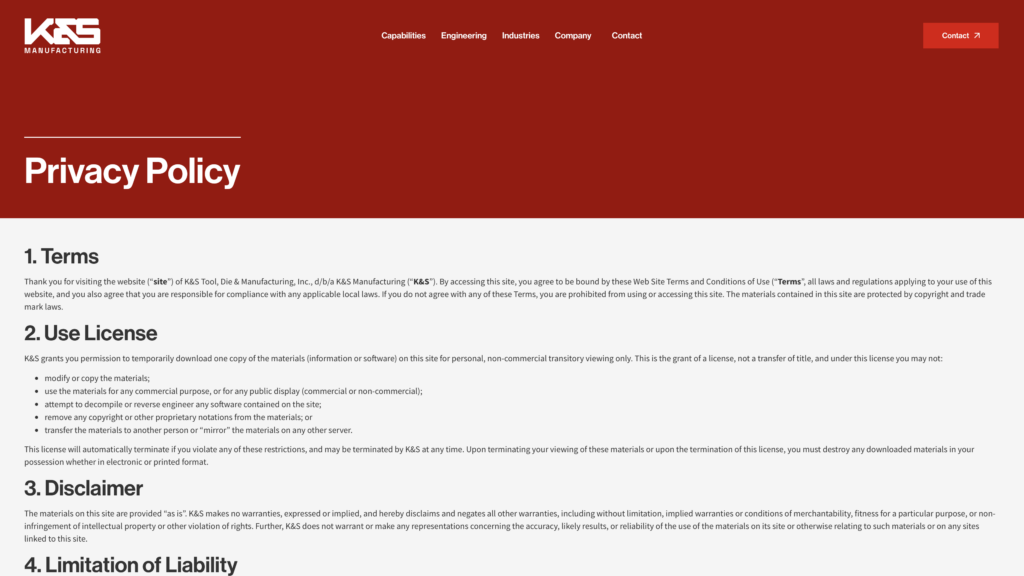
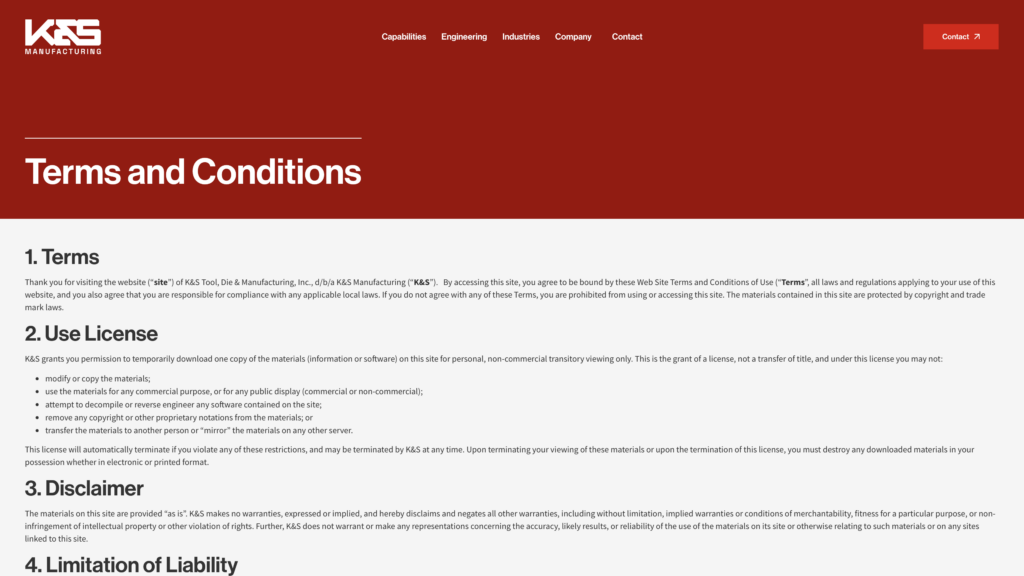
Every website that collects information should be clear about how that information is used. Privacy policies, cookie notices, and terms aren’t just formalities—they’re clarity tools. They tell visitors, in plain language, what’s happening with their data. And that clarity builds trust faster than most marketing copy ever will.
Because the moment someone feels unsure about how their information is handled, they hesitate. And hesitation is where conversions disappear.
Good compliance removes that hesitation by being upfront, simple, and visible.
Not buried. Not vague. Not confusing. Just clear.
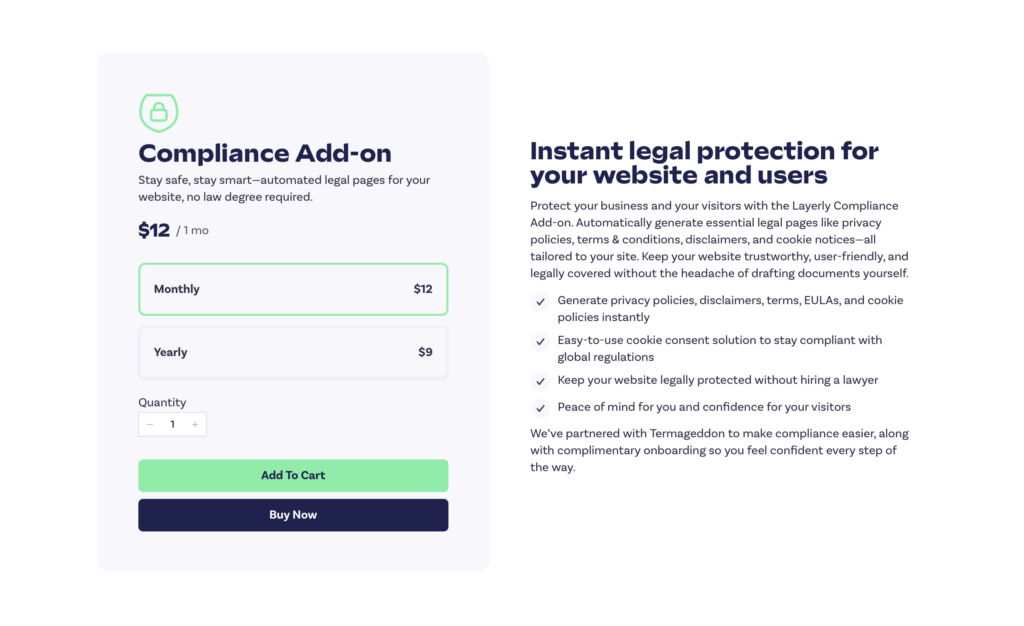
Features with Layerly’s “Compliance” Add-on >>
- Generate privacy policies, disclaimers, terms, EULAs, and cookie policies instantly
- Easy-to-use cookie consent solution to stay compliant with global regulations
- Keep your website legally protected without hiring a lawyer
- Peace of mind for you and confidence for your visitors
Learn more about the “Compliance” Add-on!
3. Keeping things updated (so nothing quietly falls apart)
One of the most common website issues isn’t dramatic—it’s neglect. Outdated plugins. Old software versions. Security tools that haven’t been touched in months (or longer). Everything might still “work”… until it doesn’t.
And unfortunately, outdated systems are one of the easiest entry points for security issues.
This is also where small improvements make a big difference:
- Keeping platforms updated
- Maintaining security tools
- Using SSL encryption
- Adding basic authentication protections
None of this is flashy. It’s just the digital equivalent of locking your doors and checking them once in a while. Simple, but important.
The Bottom Line
Website compliance isn’t about turning your business into a legal or technical project. It’s about making sure your website actually supports your business instead of quietly exposing it to risk or confusion. When security, clarity, and maintenance are handled properly, your website becomes what it’s supposed to be: A reliable part of your business—not another thing you have to constantly worry about.
And for most small and mid-size businesses, that’s the real goal. Less uncertainty. More confidence. Fewer surprises. If you ever want help getting there without learning a new language full of technical jargon, that’s exactly the kind of thing we do at Layerly.
Get started with Layerly. Book a call today!
