

“This should be easy…” (famous last words)
Most business owners don’t start out planning to hand off their website. They start out doing exactly the opposite. DIY it. Keep costs low. Figure it out as you go. How hard can it be? And for a little while, it feels like a win. You’ve got a site. It’s live. It’s yours. Nice.
Then the silence starts.
Not the peaceful kind. The “why is nobody finding this thing on Google?” kind. Because here’s what usually gets missed in the DIY phase: SEO isn’t optional. It’s the whole game.
Meet Mark, a local home services owner. He built his site himself over a weekend. Looked solid. Worked fine. Felt proud of it. But months later, he noticed something strange—competitors with worse websites were showing up above him in search results. Not because they were better. Because they were findable.
That’s when things start to shift.
You can’t fix SEO with a few tweaks and good intentions. It turns into research rabbit holes, keyword confusion, and the classic “I’ll deal with it later” phase.
Which usually means… you don’t.
The “Wait… why is this so complicated?” realization
At some point, managing a website stops feeling like a side task and starts feeling like a second job you didn’t apply for. Because it’s not just “keeping it updated.” It’s everything underneath it. And most of it is invisible until it’s not working.
That’s where things get interesting. Because once you peel it back, you realize there are really a few core pieces quietly doing (or breaking) everything behind the scenes:
1. You’re not showing up in Google (SEO).
This is the big one. If SEO isn’t right, nothing else really matters. Your site can look great, load fast, and have perfect photos—but if Google doesn’t understand it, it’s not going anywhere.
And SEO isn’t just “add some keywords and hope.”
It’s structure. It’s clarity. It’s page titles, metadata, headings, speed, internal linking… all the quiet technical stuff that decides whether your business shows up or disappears.
Most business owners don’t struggle with SEO because they’re careless. They struggle because it’s a full-time job hiding inside a “simple website.”
2. Your website isn’t making a professional first impression.
A website has about 5 seconds to make sense to someone. Maybe less. And when design is DIY, things usually drift just slightly off:
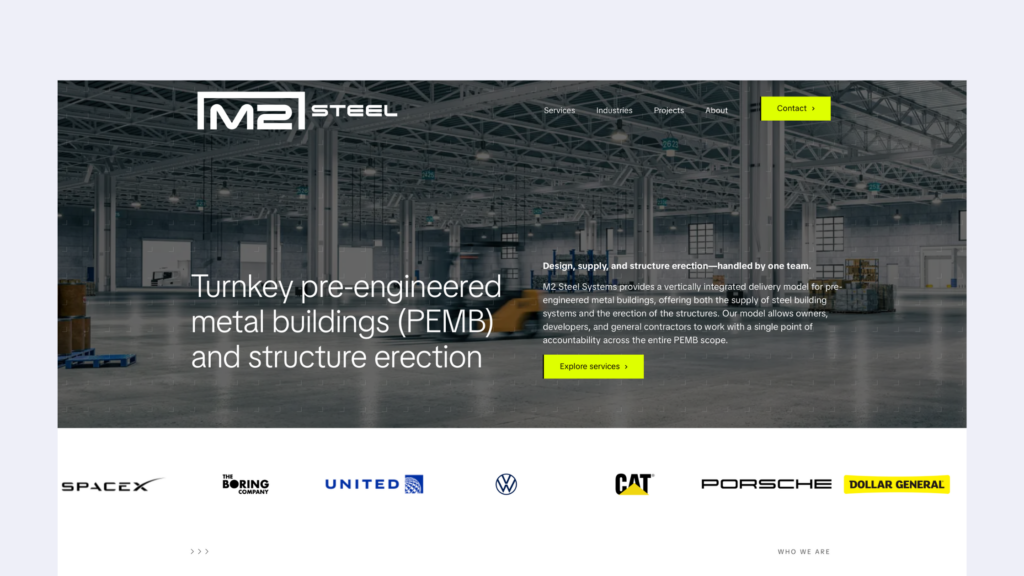
A button that doesn’t quite stand out. A layout that kind of works… but kind of doesn’t. Navigation that makes people think instead of click. Individually, no big deal. Together, it quietly lowers trust.
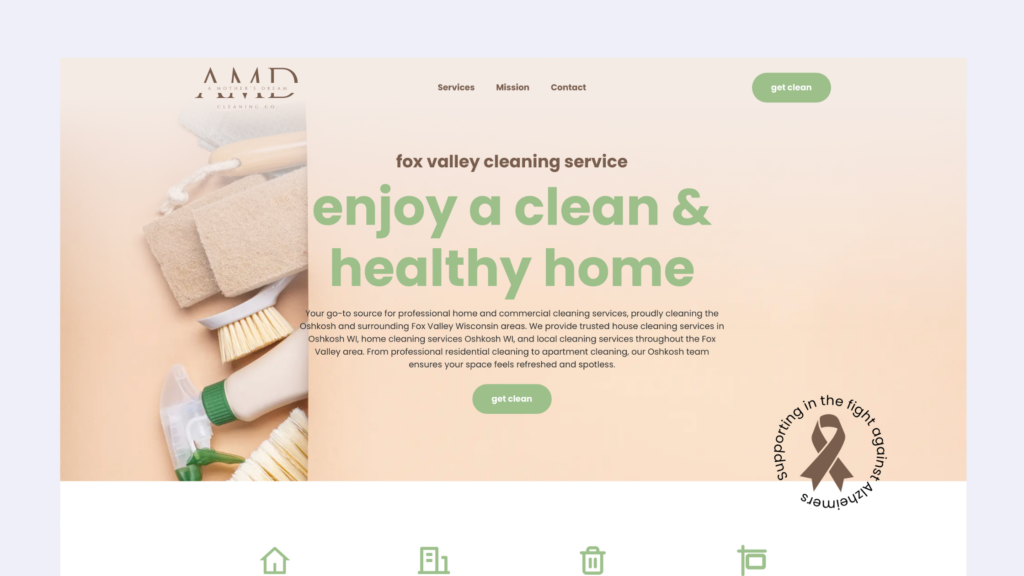
Professional design isn’t about being flashy. It’s about making everything feel obvious, intentional, and easy—so people don’t hesitate to take the next step. Because hesitation is where conversions go to die.
3. You’re not “just popping on for a minute” anymore.
Nobody says, “I’m going to spend 3 hours fixing my website today.” But it happens anyway. A quick update turns into time-consuming troubleshooting. A small edit turns into formatting issues. A simple plugin update turns into… well, something weird happening that you absolutely didn’t ask for. And all of that time comes from somewhere else.
Client work. Sales. Actual growth. The irony is that the website is supposed to save you time, not quietly steal it in 20-minute increments.
4. You’re not getting support when things break.
Websites don’t stay still. They break. They update. They get weird.
And when you’re managing it alone, every small issue becomes your problem to solve. Broken contact forms. Plugin conflicts. Random layout shifts. That one thing you swear you didn’t touch but suddenly looks different.
Without professional support, you’re not just running your business—you’re also on call for your website. Most business owners don’t quit managing their site because they “give up.” They quit because it stops being worth the time it takes to keep it alive.
The Bottom Line
Eventually, most DIY website owners hit the same realization: “It still exists… but it’s not really doing anything for me.” And that’s usually the moment they stop trying to manage everything themselves. Not because they can’t. Because their time starts to matter more than the experiment.
Layerly exists for the point where the website stops being a weekend project and starts needing to actually perform. SEO is built in from the start, so people can actually find you. Professional design is intentional, so your site doesn’t just exist—it guides people somewhere. Support is there when things inevitably change, break, or need updating. And the time you used to spend wrestling with your website? You get it back. Not because websites are “hard.” But because your time is better spent running your business than babysitting it.
Get started with Layerly. Book a call today!
