
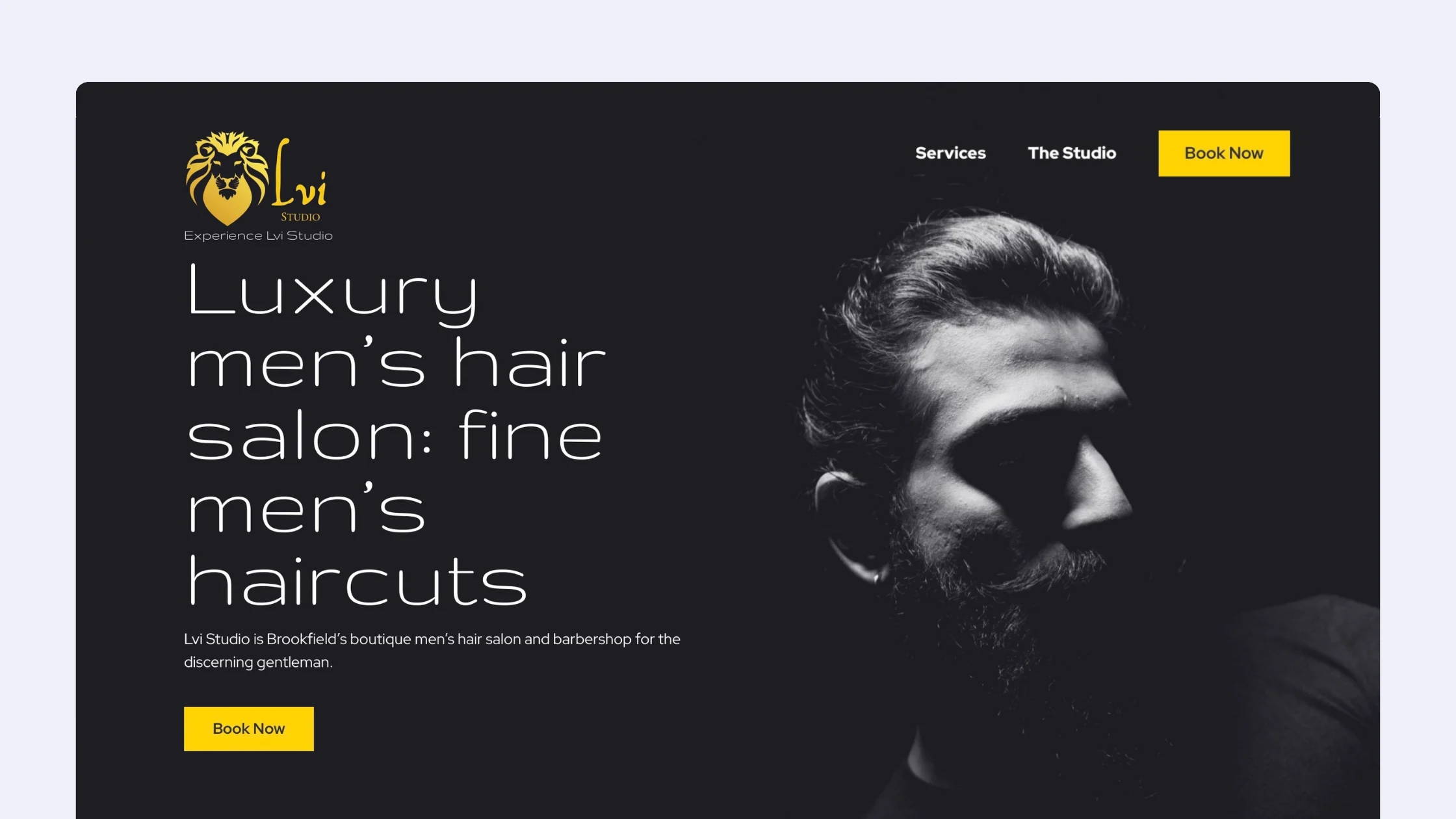
You know that feeling when you spend weeks getting something just right, step back, admire it, and think, “Wow. This looks fantastic.”
Then you realize you forgot to ask the most important question: Is it actually doing anything?
Yep. That can happen with websites, too.
Your homepage can have beautiful photos, slick animations, a rockin’ color palette, and enough perfectly spaced buttons to make a designer proud. But if visitors don’t understand what you do, can’t figure out where to go, or have no reason to contact you, you’ve basically built a really attractive brochure sitting quietly in the corner of the internet.
A strategic website is different. It’s designed around your business goals, your customers, and what you want people to do next. And as websites continue to evolve in 2026, strategy is becoming just as important as design.
Whether you’re trying to figure out how to get more leads for your business, attract new customers, rank higher on Google, or simply stop wondering why your website isn’t generating leads, strategy needs to come first. If you’re still figuring out what a modern website should actually be doing for your business, start here.
So, let’s dive in—and talk about how Layerly turns your business goals into a strategic website that actually works.
Sparkly on the outside. Strategic inside the business.✨
There’s nothing wrong with a sparkly website. In fact, we’re big fans of them.
When we sit down to build a Layerly website, visual appeal is one of the first things we think about. A polished, visually appealing website can instantly boost your credibility, showing potential customers that you’re professional, established, and serious about the experience you provide.
But there are some sparkly websites floating around cyberspace that have one tiny problem: They aren’t generating much business.
If nobody can find it on Google, if the content doesn’t answer what potential customers are searching for, or if visitors don’t know what to do next, all that pretty design isn’t doing much heavy lifting.
However, a sparkly AND strategic business website starts somewhere else: What does this website need to accomplish?
Maybe you need more phone calls. More quote requests. More consultations. More qualified leads. More customers from your local area.
And before any of that can happen, people need to find you.
That’s where SEO becomes part of the website strategy—not something you sprinkle on after the website is finished.
A strategic website considers what your potential customers are actually searching for. If you’re a plumber in Milwaukee, for example, you probably don’t want your website ranking only for your company name. You want opportunities to show up when someone searches for things like “plumber in Milwaukee,” “emergency plumber near me,” or “water heater repair Milwaukee.”
That means your website needs more than a homepage with a beautiful picture and a vague headline. Your services should have dedicated pages. Your content should naturally address the questions your customers are asking, aka AEO. Answer Engine Optimization (AEO) is changing how businesses think about getting their content discovered, too. Your location should be clear. Your headings should help search engines understand what each page is about. Your page titles and descriptions should make sense. And your website should give Google enough useful, relevant information to understand what you do, who you serve, and where you do it.
That’s the difference between designing a website and building a website with a strategy.
And SEO isn’t only about getting found. Once someone lands on your website, the strategy needs to continue.
We’re not suggesting you choose between SEO and sparkly design. That’s like choosing between a great storefront and putting a sign on the building. You need both.
The goal is a website that’s attractive enough to make a great first impression, strategic enough to get found, and useful enough to turn visitors into actual customers.
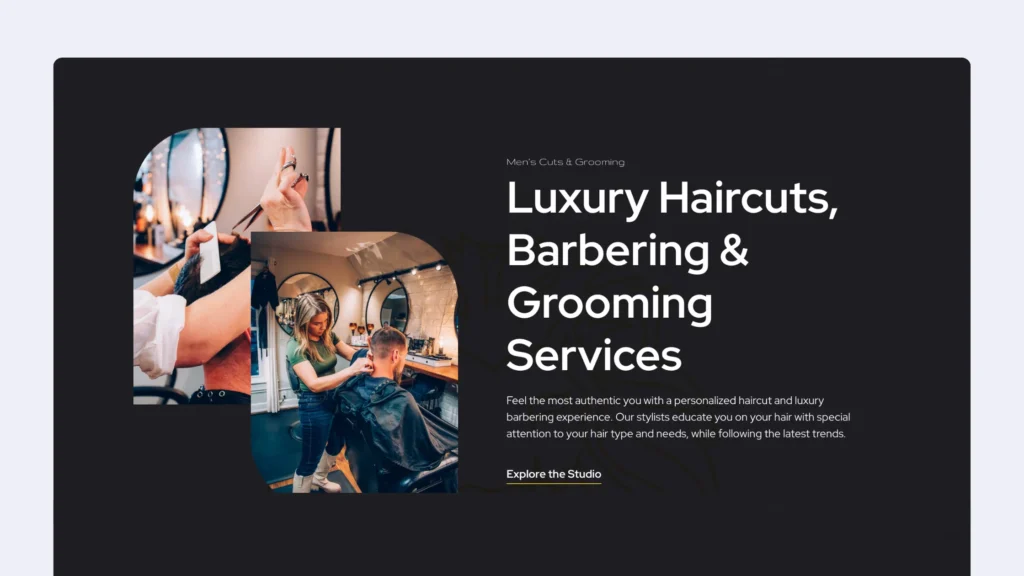
4 strategic ways your website can become a sales tool
1. Capture the lead
A good website strategy creates opportunities to capture potential customers at different stages of the buying process. Not everyone who visits your website will be ready to buy today, so your website should give interested visitors a reason—and an easy way—to raise their hand.
That could mean requesting a quote, scheduling a consultation, subscribing to updates, downloading a resource, or simply sending an inquiry.
Think about what’s happening on the customer’s side. They might be comparing businesses, gathering information, or trying to figure out exactly what they need. They’re interested, but they’re not ready to pull the trigger yet.
That’s okay.
The goal isn’t to pressure every visitor into becoming a customer. It’s to create a path for interested people to start a relationship with your business before they disappear into the internet abyss.
2. Build trust
Your website should strategically build confidence throughout the customer journey. People want to know that they’re making a smart decision before they hand over their money, so your website needs to provide evidence—not just claims—that your business can deliver.
That’s where testimonials, reviews, case studies, project galleries, before-and-afters, certifications, and success stories come in.
Put yourself in the customer’s shoes. They’re looking at your website thinking, Can I trust these people? Have they done this before? Are they actually good at what they do?
Your website should answer those questions before the customer has to ask them.
Think of your testimonials and success stories as your website’s unofficial hype team. They show potential customers that real people have trusted your business, used your services, and lived to tell the tale.
3. Remove customer objections
A strategic website anticipates the questions and concerns that could prevent someone from becoming a customer. The more uncertainty you can eliminate before someone contacts you, the easier you make the buying decision.
Think about the questions your sales team hears over and over: How much does it cost? How long does it take? Do you serve my area? What’s included? Is this right for me? What happens after I reach out?
Those aren’t just questions. They’re potential roadblocks.
If your website doesn’t answer them, customers may leave to find the information somewhere else—and that “somewhere else” could be a competitor’s website.
FAQs, service details, pricing guidance, process explanations, comparisons, and helpful resources can all reduce that friction. Your website doesn’t need to answer every question imaginable. It should answer the questions that matter most to your customers when they’re deciding whether to take the next step.
4. Get the action
Your website should have a clear strategy for turning interest into action. Once someone has enough information and feels confident about your business, the next step should be obvious—and easy to take.
That means using clear calls to action throughout the website that match what you actually want customers to do.
Request a Quote. Book a Consultation. Schedule an Appointment. Call Us. Get Started.
Now think about the customer’s experience. They’ve just read about your service, looked through your work, or decided that your business might be a good fit. They’re interested. Don’t make them figure out what to do next.
A strategic website guides them there.
A website shouldn’t leave visitors standing at the digital doorstep wondering which doorbell to push. Make the next step clear, make it easy, and give them a reason to take it.
Game plan: You bring the business strategy. We bring website superpowers.
Here’s where things get fun.
You know your business better than anyone. You know which services make you the most money, which customers you want more of, what makes you different, and where you’re hoping to take the company next.
Our job is to take all of that good stuff and turn it into a website.
At Layerly, we combine human strategy, creative website design, SEO, and AI-driven tools to build websites around the businesses behind them.
That might mean developing industry-focused copy for a construction company, creating service pages that target valuable search terms, reorganizing a confusing navigation menu, or finding a better way to turn website visitors into inquiries.
AI helps us work faster and explore ideas. But it doesn’t replace the humans making the decisions.
Because your manufacturing company shouldn’t sound like a dentist. Your real estate business shouldn’t sound like a plumber. And your consulting business definitely shouldn’t sound like a robot who has read 4,000 corporate brochures.
Your website should sound like you.
Because your business isn’t going to stay exactly the same forever, neither should your website. With ongoing website management, maintenance, updates, and SEO support, your website can continue evolving as your business grows.
For smaller businesses and entrepreneurs, the Starter Subscription provides a professional, custom-designed website in just 5 business days without the giant upfront cost or months-long timeline of a traditional website project.
For growing businesses, the Pro Subscription offers a larger website in just 10 business days with an advanced client experience, enhanced SEO, and more room to grow.
→ Figure out which subscription is best for you and your business: Launch the survey >>

There you have it. Here’s the internet magic…
A strategic website can be clear, creative, useful, and—dare we say it—fun. Don’t just ask, “Does this look good?” Ask: Does this make sense to my customers? Does it answer their questions? Does it show up when they’re searching? Does it make the next step obvious? Does it support where my business is going? That’s website strategy.
And no, it doesn’t have to involve a 47-page marketing document, twelve meetings, and someone dramatically pointing at a pie chart. At Layerly, that’s what we’re here to build. A professional, custom website with SEO, ongoing support, and website management included—without the traditional website-project hassle. You bring the vision. We’ll help turn it into a website that works. Because your website shouldn’t just sit there looking pretty. It should be working for your business.
Get started with Layerly. Book a call today!
